Rain Frog Embroidery Design Review for Craft Fairs
As an experienced embroidery designer who has spent countless weekends setting up tables at local craft fairs and managing a bustling handmade shop, I know that the difference between a design that gathers dust and one that flies off the table often comes down to visual impact and practical application. Today, I am reviewing the Rain Frog Embroidery Design, a digital asset promising to add a touch of cuteness to various projects. Before I commit my machine time and fabric budget to this file, I need to evaluate if it truly translates into a profitable craft fair product or just another pretty picture in my library.
First Impressions: A Cute and Versatile Concept
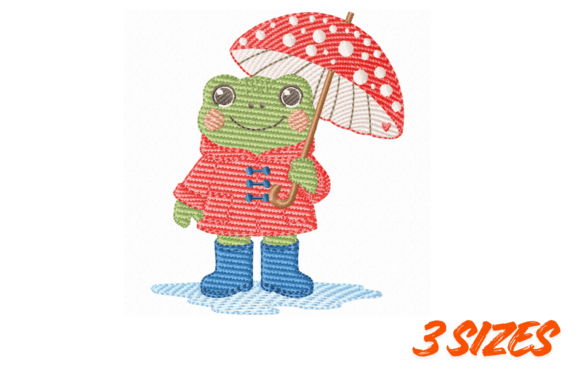
The moment I open the preview of the Rain Frog Embroidery Design, the aesthetic is immediately clear. It leans heavily into the "cute" and "soft" categories, perfectly aligning with the Baby Animals theme. The concept of a frog in the rain offers a whimsical, slightly rustic charm that feels very much at home in modern farmhouse decor or nursery settings. For a creative entrepreneur looking to fill a gap in their inventory, this design feels less like a bold statement piece and more like a delightful accent that invites a smile. In a crowded booth filled with heavy floral patterns or industrial typography, a small, adorable frog can actually stand out by being different. It signals warmth and approachability, which are key traits for attracting families and gift buyers.
Evaluating Product Applications for Maximum Sales
When preparing my weekend display, I always think about how a single embroidery file can stretch across multiple product lines. The description notes that this design is perfect for baby towels, bibs, blankets, and nursery decor, but as a business owner, I see potential beyond just the nursery aisle. Let's break down where this machine embroidery design performs best.
Tote Bags and Market Goods
A tote bag design featuring a rainy frog has significant appeal for the eco-conscious shopper. Placing the motif on a natural canvas tote creates a lovely contrast. However, because the design is described as cute rather than graphic, it works best as a focal point on the front center of the bag rather than a small logo on the corner. For a small shop product, this could be a high-margin item if paired with a sturdy cotton handle and a soft lining.
Kitchen Textiles: Aprons and Tea Towels
The tea towel embroidery market is competitive, but this design fits the "whimsical kitchen" trend perfectly. Imagine a white linen tea towel with a pastel-colored frog peeking out from under a leaf. It feels giftable and cozy. Similarly, an apron embroidery placement on the bib area could attract bakers and gardeners who love nature themes. The key here is ensuring the thread colors pop against the fabric texture without getting lost in the weave of the towel.
Patches and Accessories
Creating an embroidered patch from this file is a smart move for variety. Patches allow customers to customize their own denim jackets, backpacks, or hats later. If the Rain Frog Embroidery Design holds its shape well when backed with iron-on adhesive, it becomes a versatile add-on sale at your booth. Caps are trickier; the curved surface can distort rounder designs, so testing is essential before selling them as finished goods.
Production Realities: What Works and What Doesn't
While the concept is charming, the reality of production determines profitability. As I prepare to digitize or load this file, I must consider the technical aspects that affect the finished product.
Stitch Density and Detail
Cute designs often rely on fine details—tiny eyes, delicate raindrops, or subtle textures. In a digital embroidery file, these areas can sometimes suffer from high stitch density. If the stitches are too tight, they can pucker thin fabrics like muslin or cause thread breakage during long runs. Conversely, if the density is too low, the design may look sparse and cheap on textured items like terry cloth towels. I would advise any Etsy seller using this file to check the stitch count carefully. If the frog's features are too small, they might lose clarity when embroidered at the smallest available size.
Fabric Texture and Thread Contrast
The description mentions baby towels and blankets, which have high pile. Embroidering directly onto thick, looped fabric requires a strong stabilizer to prevent the needle from pulling the loops up and distorting the image. On dark fabrics, the thread colors need to be vibrant enough to show definition. A gray frog on a navy background might disappear, whereas a bright green frog on cream will sing. Always create a printable mockup or a physical test run on the exact fabric you intend to sell to ensure the contrast works.
Hoop Size and Sizing Options
The product description states the file is available in 3 sizes. This is crucial for batch production. Being able to scale the design means I can use it on a large pillow cover as a centerpiece or shrink it down for a small pouch. However, shrinking a design too far can make the rain elements indistinguishable. I recommend sticking to the medium and large sizes for most commercial embroidery applications to maintain the integrity of the artwork. Always confirm the hoop size requirements before purchasing fabric, as some machines cannot accommodate larger hoops needed for big pillows.
Strategic Advice for Sellers and Makers
If you are considering adding the Rain Frog Embroidery Design to your catalog, here is my professional checklist to ensure success:
- Test on Scrap Fabric First: Never skip the test run. Stitch the design on a scrap piece of the exact material you plan to use. Check for puckering, skipped stitches, or tangled threads.
- Verify Licensing: Ensure you have the right to sell finished products. Many design assets come with personal-use-only licenses. You need a commercial license to sell handmade products on Etsy or at craft fairs.
- Optimize for Photography: Since online sales drive many booth visits, ensure the design photographs well. Good lighting and a clean background will make the Rain Frog Embroidery Design look premium in your listings.
- Batch Production Planning: Because this design appeals to a specific demographic (parents, animal lovers), consider producing a cohesive collection. Pair the frog with matching leaves or rain clouds to create a brand-consistent look on your table.
- Check Small Details: Inspect the tiny details like the frog's toes or the raindrops. If they are too small, they may not embroider cleanly. Adjust the size accordingly to keep the image crisp.
Final Verdict: Is It Worth Your Booth Space?
In conclusion, the Rain Frog Embroidery Design is a strong contender for makers focusing on the Baby Animals niche or those looking to add a touch of whimsy to their home decor line. Its versatility allows it to transition from a nursery blanket to a stylish apron, making it a valuable addition to a diverse inventory. However, its success relies heavily on proper execution. Pay attention to stitch density, choose the right stabilizers for textured fabrics, and ensure your color choices maximize visibility.
For the creative entrepreneur ready to hit the road for a weekend market, this design offers a balance of cuteness and practicality that can engage buyers quickly. Just remember to do your homework on licensing and testing before you start stitching. With the right presentation and quality control, this little frog could become one of your best-selling items, turning heads and filling your sales jar all day long.