Raccoon Embroidery Design: A Designer's Review
As a designer who has spent years curating assets for both personal projects and commercial craft businesses, I approach every new machine embroidery design with a critical eye. The market is flooded with generic patterns, but finding a piece that truly translates well from screen to fabric is rare. Recently, I evaluated the Raccoon Embroidery Design, a digital asset promising woodland adventure and playful charm. My goal was to determine if this file holds up under the scrutiny of real-world application or if it falls apart when stitched onto actual products.
First Impressions: Character and Composition
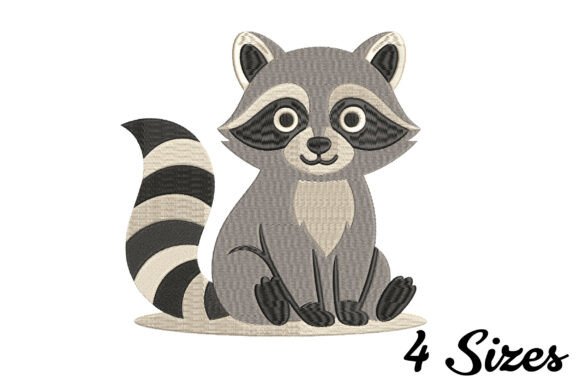
When I first loaded the Raccoon Embroidery Design into my digitizing software, the immediate visual impact was positive. The composition captures the essence of the Baby Animals category without feeling overly juvenile. The raccoon features its signature masked face and a fluffy tail, rendered in a way that suggests depth through stitch direction rather than just flat coloring. This is crucial for an embroidery file intended for custom apparel or handmade goods.
The layout feels balanced, avoiding the common pitfall of designs that are too wide or top-heavy. For a tote bag design or a sweatshirt embroidery project, balance ensures the motif sits naturally on the garment. The "lovable" quality mentioned in the description comes through in the rounded shapes and soft edges. However, as a professional, I know that what looks good on a monitor can behave differently on textured fabrics. The key here is how the design handles the transition from digital pixels to physical thread.
Testing the Stitch Quality and Density
Before committing to a client order or stocking a small shop product, I always run a test on scrap fabric. With the Raccoon Embroidery Design, I focused on the areas where the mask meets the fur. In many lower-quality files, these high-contrast areas suffer from excessive jump stitches or poor fill stitch coverage. Here, the density seemed appropriate for medium-weight fabrics like cotton twill or fleece.
The use of satin stitch along the contours of the eyes and nose adds definition, while the fill stitch in the body provides volume. However, I noted that the stitch density is moderate. This means you will need to use a proper stabilizer, especially if you plan to embroider this on stretchy fabric or thin materials like baby onesies. Without adequate backing, the tension could pull the delicate details of the raccoon's face, ruining the finished product. If you are using this for a personalized gift, do not skip the stabilizer step; it makes the difference between a professional look and a puckered mess.
Real-World Applications: From Totes to Nursery Decor
Where does this design shine? I envision the Raccoon Embroidery Design performing exceptionally well on nursery decor items. Imagine a pillow cover for a woodland-themed crib or a kitchen towel for a mom-to-be shower. The playful charm fits perfectly with holiday embroidery themes, particularly around autumn or winter seasons when woodland motifs are popular.
For the Etsy seller or craft business owner, this file offers versatility. It works beautifully as an embroidered patch sewn onto denim jackets or canvas tote bags. The distinct silhouette of the raccoon allows it to stand out even when viewed from a distance, which is vital for branding your handmade products. I also see potential in custom apparel, specifically sweatshirts where the design can be placed centrally on the chest. The scale of the design seems adaptable, though you must verify the hoop size requirements before attempting to resize it significantly.
Ideas for Commercial Use
- Baby Embroidery: Perfect for bibs, burp cloths, and sleep sacks where the soft aesthetic appeals to parents.
- Custom Apparel: Ideal for sweatshirts and t-shirts targeting outdoor enthusiasts or nature lovers.
- Holiday Gifts: Create limited-run holiday embroidery kits or finished ornaments for boutique shops.
- Digital Assets: Use printable mockups of the design to showcase potential applications in your online store listings.
Cautions for Specific Fabrics and Surfaces
While the Raccoon Embroidery Design is versatile, it is not a magic bullet for every surface. As a reviewer, I must highlight where caution is required. On dark fabrics, the default thread colors might lack contrast unless you adjust the palette. Always review the thread colors against your specific fabric swatch. If the background is black or navy, you may need to increase the stitch count slightly or add a layer of underlay to ensure the bright elements pop.
Curved surfaces like caps present another challenge. The raccoon's tail and ears have specific directional flow. If the design is too large for a standard cap hoop, the curvature can distort the shape, making the raccoon look stretched. Similarly, on very textured fabrics like heavy canvas or burlap, the fine details of the facial mask might get lost in the weave. In these cases, simplifying the design or choosing a larger hoop size is necessary to maintain clarity.
Impact on Brand Value and Customer Trust
For creative entrepreneurs, the quality of your embroidery directly impacts customer trust. A clean, well-executed Raccoon Embroidery Design signals professionalism. Conversely, a poorly stitched version with loose threads or misaligned fills can damage your reputation as a maker. When selling finished products, the visual appeal of the embroidery is often the deciding factor for a buyer. This design, when executed correctly, enhances the perceived value of the item, allowing you to price your handmade product at a premium.
Furthermore, consistency is key for brand identity. If you are building a line of woodland-themed goods, having a reliable design asset ensures that every item looks cohesive. Whether it is a tea towel or a blanket, the recognizable character builds recognition among your clientele. This consistency fosters loyalty, encouraging repeat purchases from customers who love the specific aesthetic you offer.
Practical Notes for Designers and Makers
If you decide to integrate the Raccoon Embroidery Design into your workflow, keep these practical tips in mind. First, always test the design on a similar fabric to your final project. Check the stitch density to ensure it doesn't tear the material. Second, confirm the licensing terms. Just because you bought the digital embroidery file does not automatically mean you can sell the finished items or resell the file itself. Most commercial licenses allow for selling the embroidered product, but restrictions vary.
Finally, consider the thread colors. While the design likely comes with a suggested palette, don't be afraid to customize it to match your brand colors or seasonal trends. Test it in black and white mockups first to check the contrast and silhouette before investing in expensive thread. By taking these steps, you ensure that the Raccoon Embroidery Design becomes a valuable tool in your craft business arsenal, delivering delightful results that customers will cherish.