Vintage Aviator Boy Embroidery Design Review
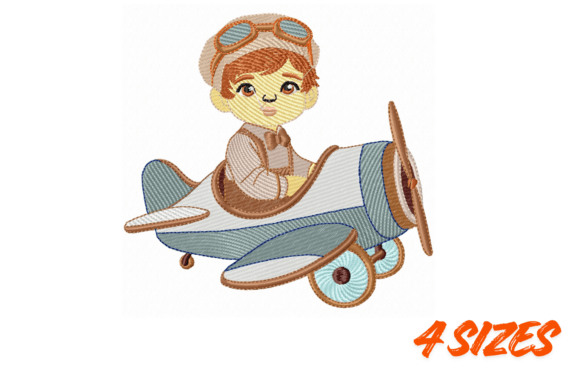
As I set up my table for the upcoming weekend craft fair, I am constantly evaluating which machine embroidery design will grab a customer's eye from across the room. Today, I am putting the Vintage Aviator Boy Embroidery Design through its paces to see if it deserves a spot in my inventory of handmade products. This specific embroidery file promises a charming vintage aesthetic featuring a cute child flying a classic airplane. For sellers targeting the Babies category or parents looking for nursery decor, this concept has immediate potential, but the execution on fabric is what truly determines sales.
First Impressions: A Nostalgic and Bold Statement
When I first loaded the Vintage Aviator Boy Embroidery Design into my hoop, the visual impact was clear. It feels less like a minimal accent and more like a bold, decorative focal point. The imagery evokes a sense of adventure and nostalgia that fits perfectly with current trends in farmhouse and rustic baby themes. Unlike simple text-based designs, this illustration tells a story immediately. For an Etsy seller or a boutique maker, having a design that communicates a narrative without words is a significant advantage. It stops the scroll online and stops the foot traffic at a booth.
The charm lies in the "cute child" aspect combined with the mechanical details of the "classic airplane." If the stitch definition is clean, this design elevates a standard white tote bag or a plain pillow cover into a premium handmade product. However, the vintage style relies heavily on clarity; if the stitching becomes muddy, the nostalgic feel turns into a messy texture that customers might reject.
Product Performance: Where It Shines
In my experience, not every design works on every surface. Here is how the Vintage Aviator Boy Embroidery Design performs across different items I plan to feature:
- Tote Bag Design: This is likely the best use case. Placing the aviator boy on a natural canvas tote creates a high-contrast, eye-catching item. The size allows for enough detail to be visible while maintaining a fun, casual vibe perfect for farmers markets.
- Tea Towel Embroidery: Kitchen textiles are a staple for craft fairs. Embroidering this design on a linen or cotton tea towel adds a whimsical touch to nursery-themed kitchen sets. Just ensure the fabric texture does not distort the lines of the airplane.
- Apron Embroidery: A larger scale version on a denim or heavy cotton apron could appeal to parents who want to dress their children in matching gear. The durability of the design holds up well here.
- Embroidered Patch: Creating patches from this file is a smart strategy for lower-priced impulse buys. Customers can sew them onto jackets or bags themselves, increasing the perceived value of the finished product.
- Pillow Covers: For nursery decor, a small pillow cover with this motif is adorable. It serves as a great photo prop for social media marketing, which is essential for digital sellers.
Production Realities: Density and Detail
While the concept is strong, the practical application requires careful attention to stitch density. Designs featuring characters and vehicles often have dense areas where thread colors overlap. If the Vintage Aviator Boy Embroidery Design has too many satin stitches packed tightly together, it can cause puckering on lighter fabrics like quilting cotton or muslin.
I recommend testing this digital embroidery file on scrap fabric first. Pay close attention to the tiny details of the child's face and the propeller. These elements can easily get lost if the design is scaled down too much. If you are producing caps, the curved surface might stretch the image, distorting the plane's wings. Always check the hoop size requirements before committing to batch production. Using the correct stabilizer is non-negotiable here; a tear-away stabilizer might leave residue, so a cut-away or water-soluble option is safer for preserving the crisp lines of the vintage aircraft.
Visual Appeal and Customer Engagement
At a craft fair booth, lighting and color contrast make or break a sale. The Vintage Aviator Boy Embroidery Design works best when paired with earth tones, navy blues, or soft creams. Avoid dark fabrics unless the thread colors are bright neon or white, as the vintage aesthetic relies on readability. When photographed for printable mockup listings or Etsy photos, ensure the lighting highlights the texture of the thread. Customers buying commercial embroidery products want to see the quality of the workmanship. A high-resolution photo showing the stitch direction and sheen of the thread builds trust.
This design also offers excellent brand consistency. If your shop specializes in aviation themes or vintage baby goods, this asset ties your collection together. It signals to buyers that you curate specific, thoughtful styles rather than just random patterns. This consistency increases buyer engagement because they know exactly what kind of quality and theme to expect from your table.
Designer Notes for Success
To maximize the success of the Vintage Aviator Boy Embroidery Design, follow these critical steps before launching your product line:
- Test Stitching: Always run a test on the exact fabric you intend to sell. Check for pull-through on the back and puckering on the front.
- Check Thread Contrast: Ensure the thread colors pop against the background fabric. Low contrast makes the design look unfinished.
- Verify Licensing: Confirm that your license allows for selling finished goods. Many design assets have restrictions on commercial use, so review the terms before mass-producing.
- Review Spacing: If adding names or dates, ensure there is enough space around the airplane and child so the design doesn't feel cluttered.
- Create Mockups: Invest time in creating realistic photos of the design on actual products. This helps visualize the final result for online shoppers.
In conclusion, the Vintage Aviator Boy Embroidery Design is a versatile and market-ready asset for those selling in the Babies and home decor sectors. Its ability to transform simple textiles into storytelling pieces makes it a strong contender for any small shop product line. By paying attention to technical details like stabilizer choice and fabric texture, you can ensure that every piece you sell reflects the high quality that craft fair customers demand. Whether displayed on a table full of pillows or listed on a digital marketplace, this design has the potential to become a bestseller if executed with care.