Fruit and Vegetable Embroidery Design Review
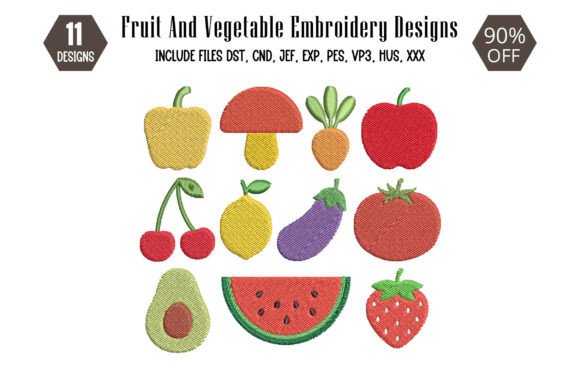
As an embroidery designer who has spent years translating digital concepts into tangible thread on fabric, I approach every new machine embroidery design with a critical eye. The market is flooded with generic assets, but finding a collection that truly serves the needs of a small business owner or apparel decorator is rare. Today, I am reviewing the Fruit and Vegetable Embroidery Design bundle. This collection promises to add a fresh and colorful touch to your projects, featuring eleven cute food-themed icons. But does it hold up under the scrutiny of commercial production? Let's dig into how this specific embroidery file performs when applied to branded merchandise, patches, and uniforms.
First Impressions: Visual Personality and Brand Fit
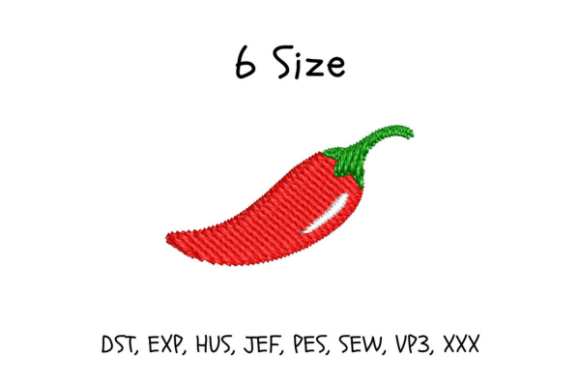
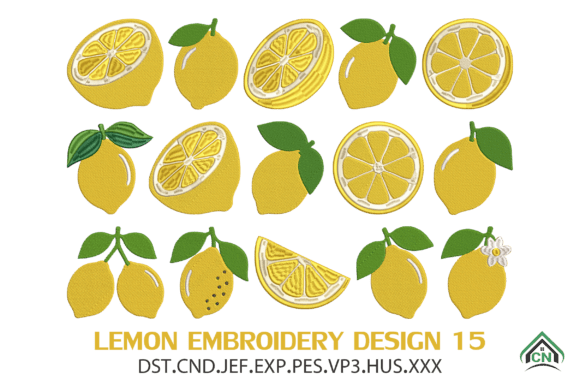
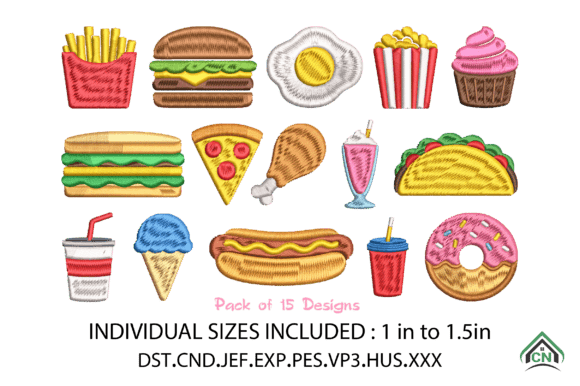
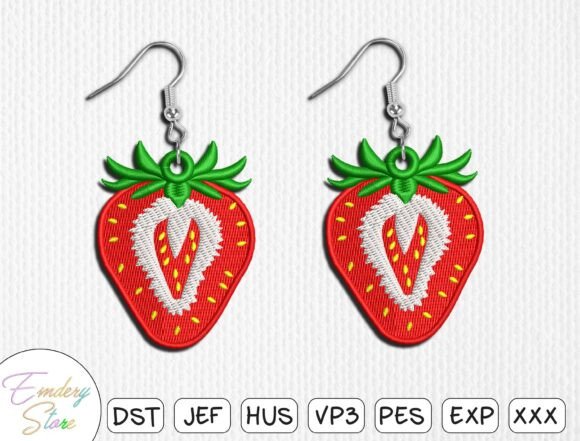
When I first loaded the Fruit and Vegetable Embroidery Design into my digitizing software, the aesthetic was immediately clear. This is not a corporate, minimalist logo set; it is playful, rustic, and undeniably friendly. The "cute" descriptor in the product description is accurate. These designs lean heavily into a handcrafted, whimsical style rather than a sleek, modern vector look. For a high-end law firm, this would be inappropriate. However, for a local café, a boutique bakery, a florist, or a handmade pet brand, this visual personality is gold.
The charm of these designs lies in their ability to communicate warmth. In the world of brand identity, texture and color matter. A simple flat print often lacks the tactile quality that builds trust with customers. When you see a stitched apple or carrot on a tote bag, it signals effort and care. This collection works exceptionally well for businesses that want to project an image of freshness, health, and community. It feels like a natural extension of a farm-to-table concept or a craft-focused studio. If your brand voice is cheerful and approachable, these design assets are a strong contender for your next production run.
Real-World Applications for Small Business Merch
The true test of any digital embroidery file is its versatility across different substrates. I evaluated the Fruit and Vegetable Embroidery Design against several common use cases for small business owners and Etsy sellers.
Branded Patches and Apparel Accents
One of the most effective ways to utilize this bundle is for creating custom embroidered patch collections. Because the designs are distinct and self-contained, they work beautifully as standalone patches. Imagine a staff uniform where each team member wears a different fruit or vegetable patch on their sleeve or chest pocket. This creates a sense of unity while allowing for individual flair. For a bakery, a carrot or strawberry patch on a chef's apron adds a delightful pop of color that ties directly to the products being sold. The outlines appear sturdy enough to withstand the wear and tear of daily washing, which is crucial for custom apparel.
Caps and Tote Bags
Cap embroidery requires designs that can handle curved surfaces without distorting. The rounded nature of fruits and vegetables makes them ideal candidates for the front panel of a baseball cap. Unlike long text logos that might warp on a curve, a single lemon or tomato icon maintains its shape perfectly. Similarly, for a tote bag design, these elements offer excellent contrast against canvas. Whether placed centrally or used as a repeating pattern along the strap, the Fruit and Vegetable Embroidery Design elevates a basic utility item into a premium handmade product that customers will want to carry proudly.
Product Packaging and Labels
Beyond clothing, consider the application of these designs on product packaging accents or woven labels. A small embroidered tag attached to a jar of jam or a bundle of herbs can significantly increase perceived value. This is a subtle yet powerful way to enhance small business merch. The tactile nature of the stitching invites the customer to touch the product, increasing engagement and time spent with the brand.
Strategic Considerations and Technical Limitations
While the Fruit and Vegetable Embroidery Design is versatile, a professional designer knows that no file is universal. There are specific scenarios where caution is required to ensure the finished product looks professional.
Size and Detail Constraints
Do not attempt to shrink these designs too aggressively. While they are cute, reducing them to tiny sizes for buttonholes or very small caps can cause issues with stitch density. Fine details, such as the leaves on a vegetable or the seeds on a fruit, may blur together if the stitch count becomes too compressed. Always check the minimum recommended size before committing to a production run. If you need a logo for a small area, consider using just one element from the bundle rather than a complex cluster.
Fabric Texture and Stabilization
The success of any embroidery depends on the foundation. When working with textured fabrics like heavy denim, thick canvas, or knitwear, you must pay close attention to your stabilizer choice. The organic shapes in this bundle require a smooth surface to prevent puckering. On dark uniforms, ensure you have selected a backing that provides enough support so the bright thread colors do not sink into the fabric weave. Always test the design on a scrap piece of the actual material you intend to use. This step is non-negotiable for maintaining quality control.
Hoop Size and Placement
Before starting a large order, confirm the hoop size requirements for each design. Some of the larger arrangements in the eleven-piece collection may require a 6x10 inch hoop, while others fit comfortably in a 4x4. Planning your machine setup around these dimensions will save you time and prevent registration errors. Additionally, avoid placing these designs on areas that undergo extreme stretching, such as the side seams of tight-fitting garments, as the tension could distort the rounded shapes.
Impact on Brand Identity and Customer Trust
Incorporating the Fruit and Vegetable Embroidery Design into your product line does more than just decorate; it communicates values. Customers today are increasingly drawn to brands that feel authentic and human. A printed logo can feel mass-produced, but an embroidered design suggests craftsmanship. This distinction is vital for building customer trust and recognition.
When a customer sees a high-quality commercial embroidery project on a tote bag or apron, they associate that quality with the goods inside. It elevates the entire brand perception. For handmade brands and Etsy sellers, this level of detail can justify a higher price point. It transforms a commodity into a collectible. Furthermore, consistency is key. Using these same design elements across your website mockups, social media, and physical products creates a cohesive visual language that strengthens your market position.
Practical Designer Notes for Production
To get the best results from this bundle, follow these professional guidelines:
- Test in Monochrome First: Before committing to expensive threads, run a test in black and white to verify the stitch path and spacing. This helps identify any potential pulling or gaps in the design structure.
- Verify Licensing: Ensure you have the appropriate commercial embroidery license for your intended use. If you plan to sell the finished merchandise, confirm that the terms allow for unlimited production.
- Create Mockups: Generate a printable mockup for client approval. Show the design on the actual garment type to manage expectations regarding scale and placement.
- Color Contrast Check: Review the thread colors against your fabric choices. Bright greens and reds look stunning on neutral backgrounds but may clash on patterned textiles.
- Compare Assets: Place the Fruit and Vegetable Embroidery Design beside other design assets you currently use. Does it match the line weight and style? Consistency in visual weight is essential for a polished look.
Ultimately, the Fruit and Vegetable Embroidery Design bundle is a valuable tool for decorators looking to inject personality into their work. It bridges the gap between functional branding and artistic expression. By understanding its strengths and limitations, you can leverage these Food and Embroidery themes to create merchandise that stands out in a crowded marketplace. Whether you are outfitting a new café staff or launching a line of eco-friendly bags, these designs offer a vibrant, tactile solution that resonates with modern consumers.